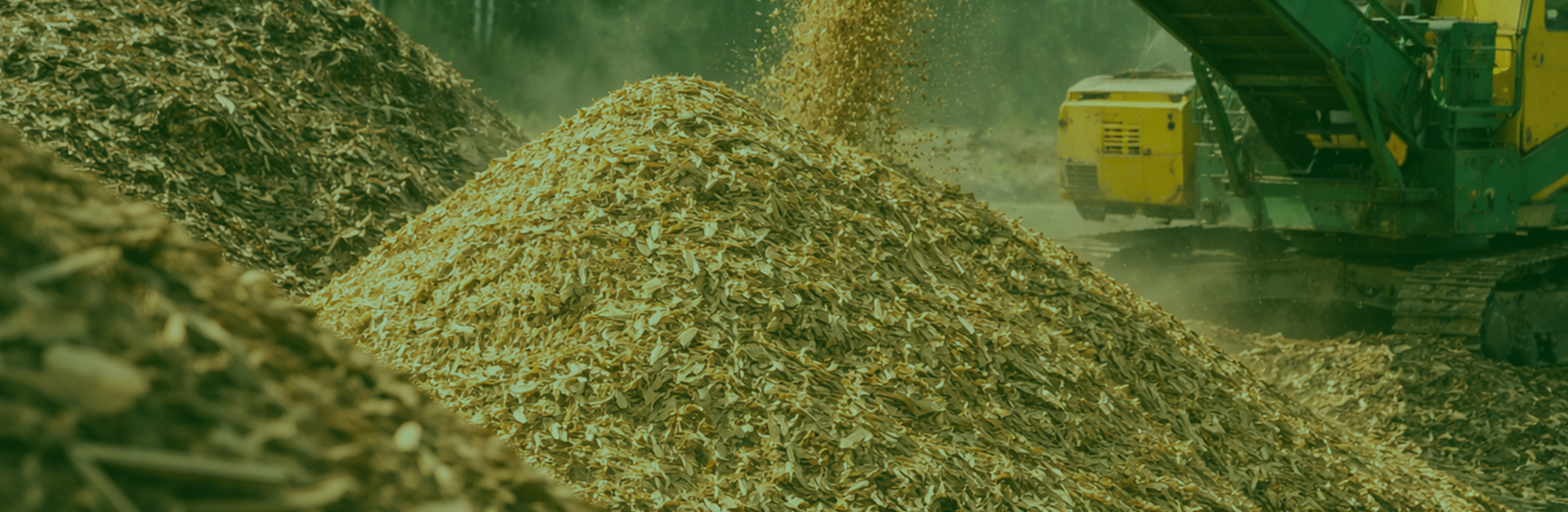
Wood chipping in Hobart turns tree removal and pruning waste into one of the most useful materials in your garden, rather than something you pay to have carted away. Mulch made from freshly chipped branches suppresses weeds, retains moisture through dry Tasmanian summers, and slowly feeds the soil as it breaks down, which is why more property owners are choosing to keep the woodchip on site instead of sending it to landfill.
What Actually Happens During Wood Chipping
When trees are pruned or removed, branches and smaller limbs are fed through a wood chipper, which shreds the material into uniform chips. Depending on the species and the size of the material, the result can range from fine mulch to coarser bark-style chip suited to garden beds and pathways. Larger trunk sections are usually processed separately as firewood or removed rather than chipped.
Why Woodchip Mulch Is Worth Keeping
- Moisture retention – A layer of mulch reduces evaporation from soil, which matters through Hobart’s drier summer months
- Weed suppression – A thick enough layer blocks light to weed seedlings, cutting down on manual weeding
- Soil improvement – As woodchip breaks down, it feeds organic matter back into the soil, improving structure over time
- Temperature regulation – Mulched soil stays cooler in summer and better insulated in winter, protecting root systems
- Cost savings – Reusing your own woodchip avoids buying mulch elsewhere and reduces disposal costs from the job itself
Is Fresh Woodchip Safe to Use Straight Away?
Fresh woodchip can be used immediately as a surface mulch around established trees, shrubs, and garden beds, kept clear of stems and trunks to avoid rot. It is best avoided as a soil amendment dug directly into vegetable beds while fresh, since decomposing wood temporarily draws nitrogen from the soil as microbes break it down. Left as a surface layer, this is not an issue, and the woodchip continues improving the soil as it composts over months.
How Much Mulch Is Too Much?
A general guide for healthy mulching:
- Aim for a layer around 5 to 7 centimetres deep
- Keep mulch pulled back slightly from trunks and stems to prevent collar rot
- Top up seasonally rather than piling on a thick new layer every time
- Avoid mulching right up against timber fencing or structures, which can encourage pest activity
Over-mulching can suffocate roots and hold too much moisture against the base of plants, so more is not always better.
Which Trees Make the Best Mulch?
Not all woodchip is equal. Chip from eucalypts and other native hardwoods tends to break down more slowly, making it a longer-lasting mulch for garden beds. Softer, faster-growing species break down quicker and suit areas where you are happy to top up more often. Diseased material is generally best avoided as mulch around susceptible plants, since some pathogens can survive the chipping process, so it pays to mention any disease concerns when booking the job.
What If You Don’t Want to Keep the Woodchip?
Not every property has the space or need for a large volume of mulch. If you would rather not keep it, Hobart Trees can remove and dispose of the material responsibly using non-toxic disposal methods, or, where appropriate, chip it for reuse elsewhere. Either way, you are not left with a pile of debris to manage yourself.
Good mulching practices are easier to achieve by following how to mulch garden beds correctly for expert gardening advice.
Professional Wood Chipping Across Southern Tasmania
After more than 20 years working on residential and commercial properties across Southern Tasmania, Hobart Trees offers wood chipping as part of every tree removal, pruning, and reduction job. We can leave chipped material on site as usable mulch or remove it entirely, depending on what suits your property. Our equipment handles everything from small ornamental prunings to large limbs from mature trees. If you have a build-up of tree waste or want to make better use of your pruning offcuts, contact Hobart Trees through hobarttrees.com.au to arrange wood chipping as part of your next job.