
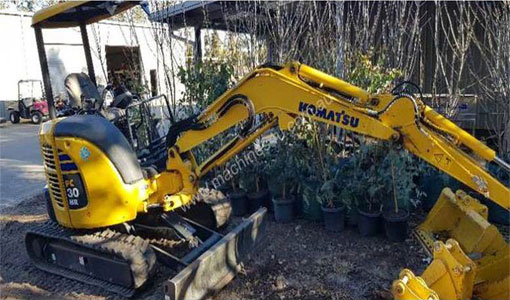
Site preparation is important in tree work because it identifies underground services, unstable ground, and structural risks before machinery starts moving earth, preventing damage to pipes, cables, and nearby foundations. Skipping this step is one of the most common causes of expensive, avoidable damage on excavation and stump removal jobs.
What Proper Site Preparation Involves
- Service location – checking for underground stormwater, sewer, power, and telecommunications lines before any digging begins
- Ground assessment – checking soil type and stability, particularly on Hobart’s many sloped and terraced blocks
- Access planning – confirming the equipment can reach the work area without damaging paths, gardens, or structures along the way
- Proximity checks – identifying how close the work is to existing foundations, retaining walls, or fences that could be affected
Why Foundations Are the Biggest Risk
Excavating too close to a house or retaining wall footing without proper preparation can undermine the soil supporting that structure, leading to cracking, subsidence, or worse over time. This risk is particularly relevant on older Southern Tasmanian properties where foundation depth and construction weren’t always documented, and on sloped blocks where retaining walls are doing more structural work than they appear to.
Who Should Be Involved Before Digging Starts
Depending on the job, this can involve contacting service locating providers, checking council records for known infrastructure, and, for larger jobs, consulting a structural engineer if excavation is close to a significant foundation. For most residential tree and stump-related excavation, a careful visual and service check by an experienced operator is sufficient, but larger or more complex sites may need this extra layer of diligence.
The Cost of Skipping This Step
Damage from unprepared excavation work is rarely cheap to fix. Common consequences include:
- Severed or damaged underground services, leading to costly repairs and potential safety hazards
- Undermined foundations or retaining walls, sometimes not apparent until months later
- Damaged tree roots from neighbouring plants, affecting their long-term health
- Site delays while unexpected obstacles are dealt with mid-job
Most of these problems are entirely avoidable with proper preparation before the first cut of soil is made.
How This Applies to Tree and Stump Work Specifically
Excavation isn’t just standalone digging. Stump removal, root ball extraction, and drainage work around trees all involve moving earth close to existing structures and services. Preparing the site properly for these jobs means checking for buried irrigation lines, old timber footings, and nearby tree roots that could be damaged by machinery working too close.
What a Well-Prepared Job Looks Like on the Day
- Underground services are marked or confirmed clear before machinery arrives
- Access points are checked and protected with boards or matting if needed
- The work area is assessed for soil stability and proximity to structures
- A plan is set for where spoil will be stored or removed from site
This preparation typically adds very little time to a job but removes most of the risk of unexpected damage or delays.
Site Preparation Done Properly, Every Time
Hobart Trees has carried out excavation and stump removal work across residential and commercial properties in Southern Tasmania for over 20 years, and every job starts with a proper site assessment before machinery moves in. We check for underground services, assess ground stability, and plan access carefully, particularly on tight or sloped blocks where the margin for error is small.
If you have excavation or stump work planned near structures, driveways, or gardens, contact Hobart Trees through hobarttrees.com.au for a job that starts with the right preparation.